Breakfast & Learn on the importance of the sex and gender perspective in mental health research
With Alicia González Otero, coordinator of XWHIN, and Dr. Maria Portella, head of the CIBERSAM Mental Health research group and member of the TECSAM Network.
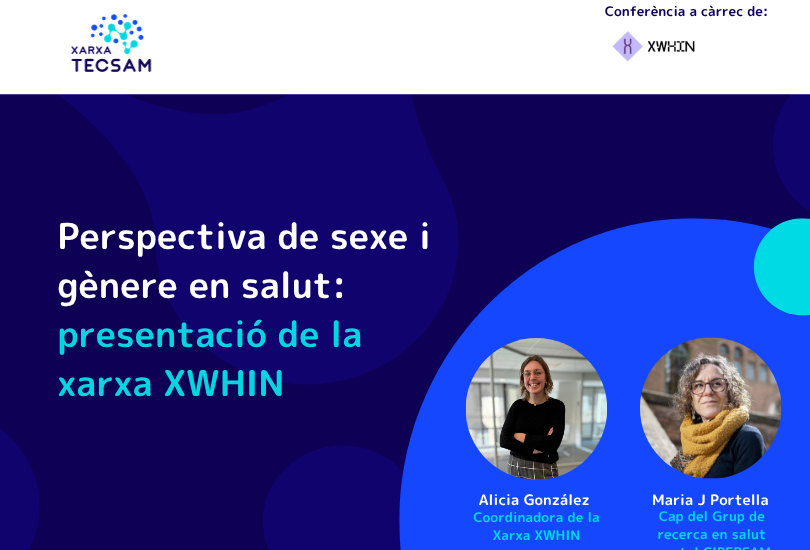
We held a new session of the Breakfast & Learn cycle, dedicated to the incorporation of the sex and gender perspective in health research and innovation. The meeting was attended by Alicia González Otero, coordinator of the Women’s Health Innovation Network (XWHIN) , and Maria Portella Moll , head of the CIBERSAM Mental Health research group and member of the TECSAM Network.
During the first part of the session, Alicia González Otero presented XWHIN, an initiative that works to promote innovation in women’s health and connect the different agents in the ecosystem. The network promotes collaboration and knowledge generation to respond to the specific challenges that still exist in this area.
Maria Portella then delved into the need to incorporate the perspective of sex and gender in mental health research. The researcher explained that biological differences and social determinants can influence both the manifestation of disorders and their identification, diagnosis and treatment.
Review research and diagnostic models
One of the central aspects of the presentation was the existence of possible biases in the diagnostic and measurement instruments that are commonly used. Portella explained, among other examples, how certain depression assessment scales have been developed based on symptoms that are more frequent or traditionally identified in women, which can make it difficult to detect symptoms in men.
In this sense, he highlighted the importance of reviewing the instruments and models used, as well as systematically incorporating sex and gender variables from the very design of the studies. It is not just a matter of adding these variables to the data analysis, but of keeping them in mind when formulating research questions.
The session also addressed examples of work related to depression and menopause, which illustrated how this perspective can contribute to identifying differences that, if not taken into account, can become invisible.
More inclusive and people-centered research
Another of the highlights was the importance of incorporating the experience of affected people in the design of research projects. The participation of patients and citizens can help identify real needs, better guide research questions and help the results have a more direct impact on people’s health.
The role of ethics and scientific committees in incorporating this perspective has also been put on the table, as well as the need to have more training, tools and expert profiles that allow it to be adequately evaluated.
In the words of Alicia González Otero, “we end up investigating what we see, not what is really important”, a reflection that summarizes the need to review the perspectives from which scientific knowledge is constructed.
The session concluded with a space for questions and exchange with attendees, who were able to delve deeper into the challenges posed by incorporating the perspective of sex and gender in research.
With initiatives such as Breakfast & Learn, the TECSAM Network continues to promote spaces for meeting and knowledge transfer between the different agents in the mental health research and innovation ecosystem .
You can watch the video of the session here.

